
If your boiler has given up the ghost, or you’re staring down another expensive repair bill, chances are you’re weighing up whether it’s finally time to replace it. Getting a new boiler fitted is one of the more significant home expenses you’ll face, but understanding what drives the cost puts you in a much stronger position when getting quotes.
This guide breaks down everything that affects the price of a new boiler in Scotland, from the type of system you choose to the hidden extras that catch homeowners off guard.
What Is the Average New Boiler Cost in Scotland?
As a rough guide, most Scottish homeowners pay somewhere between £1,800 and £3,500 for a new boiler fully installed. That’s a wide range, and for good reason. A straightforward like-for-like combi boiler swap in a Glasgow tenement flat is a very different job to a full system overhaul in a larger detached home in the Highlands.
Breaking it down:
-
- Supply-only boiler cost: £600–£2,000+ depending on brand and output
-
- Labour and installation: £500–£1,200
-
- Additional work (pipework, flue, controls): £200–£1,500+
The total you pay depends on a combination of factors explored below.
The Type of Boiler You Choose
The single biggest driver of cost is the type of boiler system being installed.
Combi boilers are the most popular choice for Scottish homes and typically the most cost-effective to install. They heat water on demand and don’t require a separate hot water cylinder or cold water tank, making them ideal for flats and smaller properties. A new combi boiler fitted in Glasgow or Edinburgh will generally sit at the lower end of the cost spectrum, particularly if you’re replacing an existing combi.
System boilers work alongside a hot water cylinder and suit homes with higher hot water demand or multiple bathrooms. They cost more to install than a combi but less than a full conventional system.
Regular (conventional) boilers are the traditional setup with both a cylinder and a cold water tank in the loft. These are being phased out in many homes but may still be the right choice in older Scottish properties. Installing or replacing one tends to be more labour-intensive and therefore more expensive.
If you’re switching from one boiler type to another, for example, moving from a regular system to a combi, expect to pay significantly more. The pipework changes, tank removal, and system reconfiguration all add time and materials to the job.
Boiler Brand and Output
Not all boilers are created equal, and price reflects that. Baxi offers the most affordable entry point, Ideal and Viessmann sit in the mid-range, whilst Worcester Bosch and Vaillant command higher upfront costs in exchange for proven reliability and efficiency.
Boiler output, measured in kilowatts (kW), also affects price. A 24–30kW combi is usually sufficient for a three-bedroom home, but larger properties with greater heating and hot water demands may need a 35kW+ model, which costs more both to buy and run.
It’s worth thinking about the long game here. A more efficient A-rated boiler from a reputable manufacturer may cost £300–£500 more upfront, but could save you meaningfully on energy bills over its lifespan, particularly with Scottish winters in mind.
Complexity of the Installation
Labour costs for boiler installation in Glasgow and across Scotland typically range from £500 to over £1,000, depending on how involved the job is.
Factors that push installation costs up include:
Location of the boiler. Moving a boiler from one room to another, or from one wall to another, requires extending or rerouting gas and water pipework, which adds both time and materials.
Flue requirements. The flue directs exhaust gases safely outside. If a new flue needs to be installed, or the existing one doesn’t meet current regulations, this adds cost. Longer flue runs, or awkward routing through walls, can also increase the price.
Access difficulties. Properties with limited access to pipework, tight spaces, or unusual layouts (common in older Scottish tenements or rural stone-built homes) take longer to work on.
Gas meter or pressure issues. If your incoming gas supply pressure is insufficient for a new boiler’s requirements, upgrading the meter may be necessary, which is a cost that falls outside the installer’s remit and involves your gas network operator.
Always ask your installer to quote for the full scope of work before signing anything. A suspiciously low headline price often means additional costs are revealed partway through the job.
Additional Costs to Budget For
Beyond the boiler itself and the core installation, there are several extras that commonly add to the final bill.
Pipework upgrades. Older Scottish homes, particularly pre-1980s properties, may have narrow-bore or corroded pipework that restricts water flow or isn’t compatible with a modern boiler. Replacing sections of pipework is a common add-on cost.
Radiator upgrades or additions. If you’re installing a more powerful or efficient boiler, your existing radiators may need to be checked for compatibility. Older radiators can harbour sludge and debris that reduces system efficiency; some installers will recommend a full flush or powerflush at £300–£500, while others may suggest replacing specific radiators.
Thermostatic radiator valves (TRVs) and smart controls. Under current building regulations in Scotland, new boiler installations typically require the fitting of TRVs and a programmable room thermostat. Smart thermostats like Nest or Hive cost £150–£250 fitted but can improve comfort and reduce energy use.
Magnetic system filter. A magnetic filter (such as a Fernox or Adey MagnaClean) catches debris before it reaches the boiler. Most reputable installers include this, but it’s worth confirming, expect to add £80–£150 if not included.
Scaffolding or access equipment. If the flue exits through a roof or at height, scaffolding may be required. This is more commonly needed in detached houses and can add £200–£500 to the overall cost.
Grants and Funding in Scotland
Scotland has historically offered some of the most generous home energy improvement funding in the UK. The Home Energy Scotland scheme provides free, impartial advice and access to grants and interest-free loans for eligible homeowners and private tenants. Depending on your circumstances, household income, property type, and current heating system, you may qualify for a contribution towards a new boiler or a heat pump system.
It’s worth contacting Home Energy Scotland before committing to a new boiler, as eligibility criteria and available funding change periodically.
Frequently Asked Questions
How long does a new boiler installation take? A straightforward like-for-like combi swap typically takes one day. More complex installations, involving system changes, new pipework, or additional work, can take two days or more.
Do I need to be at home during the installation? Yes. You’ll need to be present throughout the installation, as the engineer will need access to various parts of the property, and you’ll need to sign off on the completed work.
Is a new boiler always better than repairing the old one? Not always. As a general rule, if your boiler is over 10–12 years old and repairs are regularly needed, replacement usually makes more financial sense. A new A-rated boiler will also be considerably more efficient than an older G-rated model.
How long will a new boiler last? Most modern boilers come with manufacturer warranties of 5–12 years and can last 15 years or more with annual servicing.
Does boiler installation in Glasgow cost more than elsewhere in Scotland? Urban areas like Glasgow and Edinburgh generally have more competitive pricing due to the number of qualified engineers. Rural areas may see slightly higher costs due to travel time and fewer competing installers.
Getting the Best Price on a New Boiler Fitted
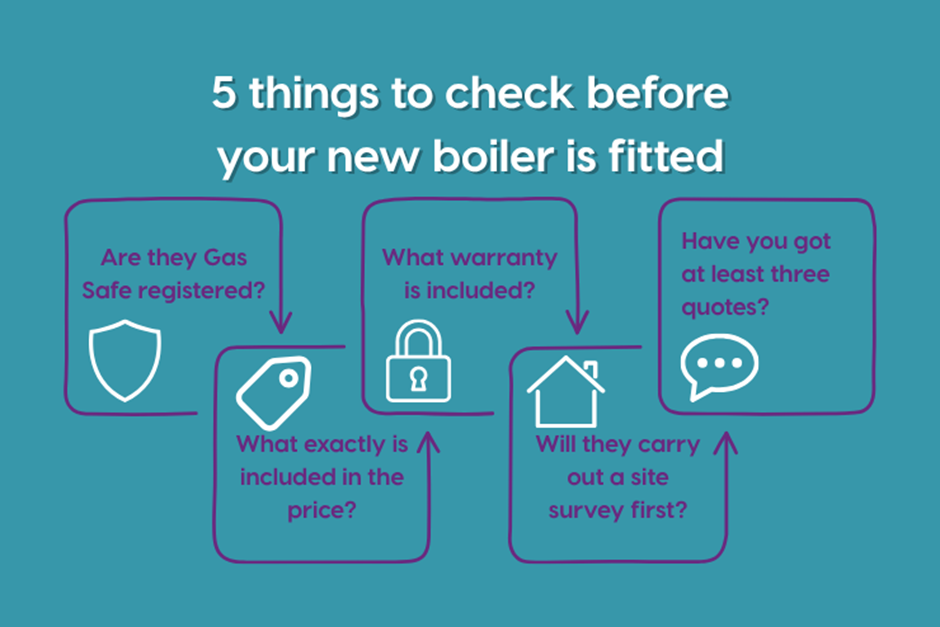
The most reliable way to get a fair price is to get at least three quotes from Gas Safe-registered engineers. Don’t simply go with the cheapest. You should check reviews, confirm what’s included in the price, and ask about the warranty on both the boiler and the installation work.
A reputable installer will carry out a proper heat loss survey for the property, recommend the right boiler output, and provide a clear, itemised quote. That transparency is usually the best indicator of a job that will be done properly.